The Reserve Bank of Australia just hit the brakes again, raising the official cash rate to 4.10 per cent in a move that effectively claws back nearly all the relief homeowners felt during the brief easing cycle of 2025. This 25-basis-point hike, delivered on March 17, 2026, marks the second consecutive increase this year and signals a brutal shift in the national economic script. While the central bank frames this as a necessary response to a "material risk" of entrenched inflation, the reality is more complex. Australia is now caught between a domestic economy running too hot in the wrong places and a global energy shock triggered by the widening conflict in the Middle East.
For the average borrower, the math is simple and painful. A standard variable mortgage at 6.01 per cent is now heading toward 6.26 per cent, adding hundreds of dollars to monthly repayments at a time when grocery bills and petrol prices are already at record highs. But for the RBA, the math is about "capacity pressures." Learn more on a similar subject: this related article.
The Split Decision and the Middle East Shadow
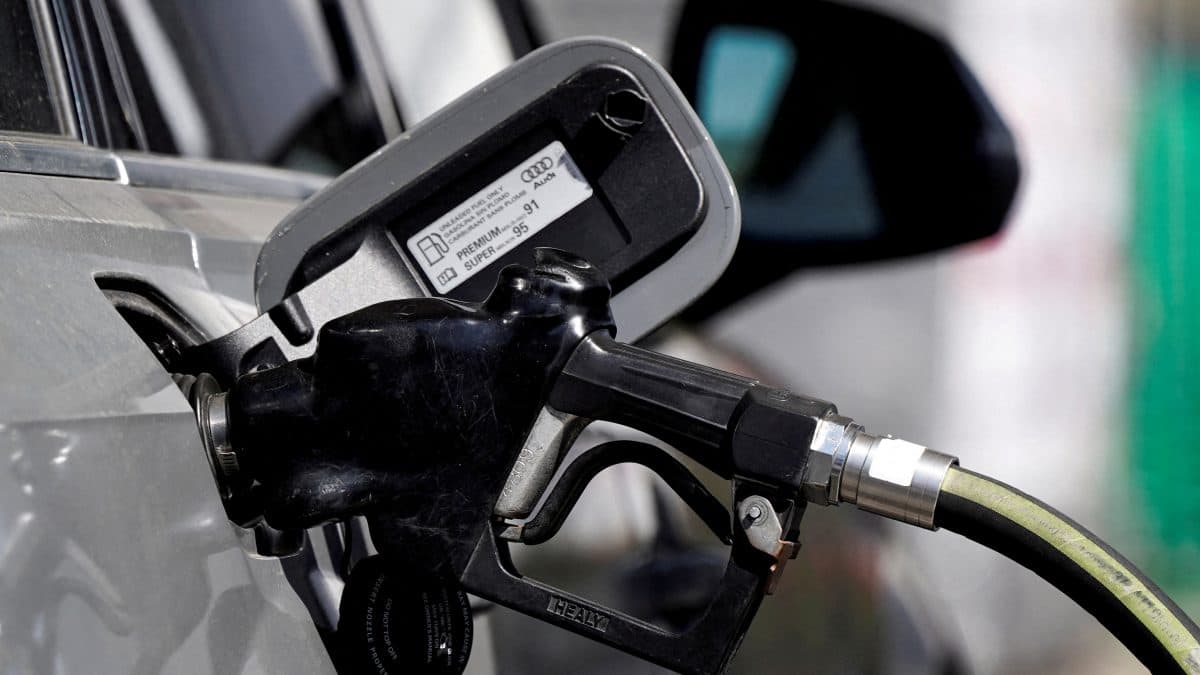
Governor Michele Bullock oversaw a razor-thin 5-4 majority to push through this hike. That level of dissent within the board is rare and tells you everything you need to know about the uncertainty in Martin Place. Four members wanted to wait. They argued that the three rate cuts from 2025 hadn’t even fully worked their way through the system yet. They were outvoted by a faction convinced that the closure of the Strait of Hormuz and the subsequent spike in oil prices—from $1.71 to over $2.20 a litre at Australian pumps—made immediate action mandatory.
The RBA is terrified of "inflation expectations." If businesses and workers start believing that 5 per cent inflation is the new normal because of global chaos, they will raise prices and demand higher wages to match. Once that cycle starts, it is nearly impossible to stop without a full-scale recession. By hiking now, the RBA is trying to kill that narrative before it takes root, even if it means causing immediate collateral damage to household budgets. Further journalism by Reuters Business explores related perspectives on this issue.
Why the 2025 Recovery Failed
Last year was supposed to be the turning point. Rates were coming down, and the "soft landing" seemed secure. However, the data reveals a lopsided recovery. While consumer consumption actually softened—people were buying fewer clothes and dining out less—business investment surged. The economy was growing, but not because of household spending. It was growing because of massive infrastructure projects and a housing market that refused to cool down.
The tight labour market is the other primary culprit. Unemployment remains stuck at 4.1 per cent. In a healthy economy, that is a victory. In an inflationary one, it means companies are still competing for a limited pool of workers, keeping upward pressure on costs. The RBA's own internal assessments suggest Australia’s supply capacity is growing at only about 2 per cent. We are trying to run a 3 per cent economy on a 2 per cent engine. Something had to give.
The Global Context
Australia is not acting in a vacuum. This is a "central bank blitz" week. While the Federal Reserve in Washington and the ECB in Frankfurt are largely expected to hold steady, they are all watching the same ticker tapes. The "Operation Epic Fury" conflict has fundamentally changed the global inflation outlook.
- The Federal Reserve: Likely to hold at 3.50-3.75 per cent, but with a growing internal rift over whether to cut later this year.
- The ECB: Staying at 2.00 per cent, though markets are now betting on a hike before 2026 is out.
- The RBA: Leading the hawkish charge alongside Brazil, largely because Australia is more sensitive to the immediate "input cost" of fuel and transport.
The Real Threat to 2026
The danger now is that the RBA is fighting yesterday’s war with tomorrow’s tools. By the time these March and February hikes actually dampen demand, the Middle East conflict might have evolved, or global trade could have slowed to a crawl. If the RBA overshoots, they won't just be "taming inflation"—they will be triggering a contraction.
The next major hurdle is the May meeting, which sits just one week before the Federal Budget. All four major banks—CBA, Westpac, ANZ, and NAB—are now leaning toward another hike in May, which would bring the rate to 4.35 per cent. That would be a definitive end to the "easy money" era.
Keep a close eye on the quarterly CPI data due in late April. If that number doesn't show a significant cooling in services inflation, the RBA will have no choice but to pull the trigger again in May, regardless of how much pressure it puts on the government's budget narrative.