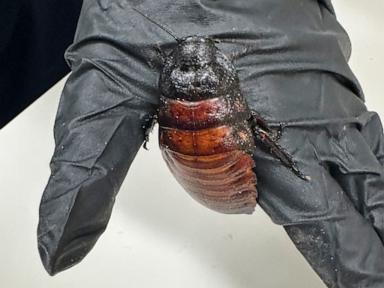
You probably don't think of cockroaches as high-value contraband. Most people spend their time trying to get rid of them. Yet federal agents in Australia just pulled off the largest exotic invertebrate seizure in the nation's history.
Biosecurity officers raided a commercial breeding facility in Bathurst, New South Wales. They found over 100,000 live, illegal exotic cockroaches. The massive haul included Madagascar hissing cockroaches and Dubia cockroaches. Together, the street value of these insects reached an estimated 200,000 Australian dollars.
This wasn't an accidental infestation. It was a highly organized, lucrative underground business catering to a massive market of reptile owners and pet shops looking for cheap feed. The sheer volume of the bust reveals a hidden black market that bio-authorities are now desperate to crush.
The Secret Economy of the Exotic Bug Trade
Why would anyone breed a hundred thousand cockroaches? The answer comes down to economics.
Reptile owners face a constant struggle to keep their pets fed. Bearded dragons, geckos, and snakes consume massive amounts of live insects weekly. Local snake catchers and reptile experts note that exotic roaches like the Madagascar hissing cockroach and the Dubia cockroach are heavily sought after because of their size. They are massive. A Madagascar hissing cockroach can grow up to three inches long, making it much larger than the standard Australian cockroach.
For a reptile keeper, a larger insect means buying fewer bugs overall. It's a cost-effective alternative to buying hundreds of tiny crickets. The demand created an incredibly profitable loophole for the Bathurst breeder, who operated as an underground kingpin for lizard feed.
Australia's Department of Climate Change, Energy, the Environment and Water made it clear that these insects cannot be legally kept, bred, or sold under any circumstances. It doesn't matter how the breeder originally obtained them. Possession alone violates federal biosecurity laws.
Why Exotic Cockroaches Terrify Environmental Scientists
It's easy to laugh at a massive bug bust. However, the environmental risks are incredibly serious. Australia has some of the strictest biosecurity laws on earth for a reason. The country's isolated ecosystem is highly vulnerable to invasive species.
Exotic cockroaches have never been subjected to local environmental risk assessments. If these species escape into the wild, the consequences could be disastrous.
- Disease Transmission: Foreign insects carry pathogens that native Australian wildlife have zero immunity against. A single escaped colony could wipe out local insect populations or infect native lizards.
- Agricultural Threats: Sub-tropical climates across Australia mean these roaches would flourish out in the open. They could easily transform into agricultural pests, devouring crops and costing farmers millions.
- Outcompeting Native Species: With no natural predators in the local bush, these giant roaches would rapidly outcompete native invertebrates for food and nesting space.
Organisations like the Invasive Species Council have expressed shock over the scale of the Bathurst operation. They warn that keeping exotic invertebrates as pets or feeders is a growing global trend. This bust exposes an entirely new pathway for biosecurity failures that authorities are struggling to monitor.
What Happens to the Invertebrates and the Breeder
The fate of the 100,000 confiscated insects is already sealed. The New South Wales Department of Primary Industries will euthanise and dispose of the entire haul.
Surprisingly, federal officials confirmed that charges haven't been laid against the Bathurst breeder yet. But the government is using this historic raid to issue a massive warning across the country. Authorities are putting pet businesses, commercial breeders, and private pet owners on notice. Anyone caught possessing, breeding, or trading these species faces severe fines and potential prosecution under national environment laws.
Clean Up Your Reptile Feed Safely
If you keep reptiles, you need to audit your food supply immediately. Buying cheap, oversized roaches from unverified online groups or local underground breeders isn't worth the legal risk.
Stop using Dubia roaches or Madagascar hissing cockroaches as feeder insects. Switch your reptiles to legal, locally sourced alternatives like wood roaches or crickets. Buy your live feed exclusively from licensed pet suppliers who certify their stock is locally bred and legally compliant.
Report any suspicious commercial listings or large-scale insect trading groups to federal biosecurity hotlines. Protecting the local ecosystem requires keeping these invasive giants completely out of the country.


:max_bytes(150000):strip_icc()/how-many-types-of-dwarfism-are-there-2860725-v1-8dae2c531b4b47d9ae36ae404d3308a0.png)