The kitchen of a seafood restaurant operates on a rhythm of high-stakes friction. Steam rises from massive stainless steel pots. Garlic hits hot oil with a sharp, violent hiss. Platers wipe smudge marks off the rims of heavy ceramic dishes with obsessive precision, their forearms covered in faint, pale burn scars. It is a world measured in minutes, degrees, and razor-thin financial margins.
Every plate that leaves the pass represents a chain of human effort. The fisherman who hauled the catch out of a gray, freezing ocean at dawn. The prep cook who spent three hours dicing shallots until their eyes burned. The server whose knees ache from a double shift, smiling through the exhaustion because their rent depends entirely on the goodwill of strangers.
Then, someone walks out.
It happens in a flash. A phantom exit. One moment a table is filled with laughter, clinking glasses, and the heavy aroma of buttery crab legs. The next, it is empty. Only crumpled napkins and sticky condensation rings remain.
To the people who pull off a dine-and-dash, it often feels like a victimless prank. A victimless thrill. They view the restaurant as a faceless entity, a corporate machine that can easily absorb the cost of a few platters of shrimp and a basket of oysters. They are wrong.
The Weight of the Empty Table
Consider the anatomy of a theft. It rarely begins with an air of suspicion. In fact, the most devastating dine-and-dashes are orchestrated by the tables that seem the most delightful.
They walk in with easy smiles. They greet the host warmly. They ask for the best seat in the house, perhaps near the window where the evening light catches the ice in their glasses. They order with an unsettling casualness, ordering the most expensive items on the menu without a single glance at the price column.
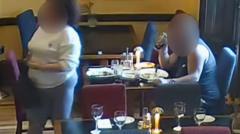
On this particular evening, the order was lavish. Platter after platter of premium seafood. The kind of meal that requires multiple trips from the kitchen, heavy trays balanced on a server's shoulder.
And then, there were the drinks. Eight Cokes.
Think about that specific detail. It is not the choice of someone trying to fly under the radar. Someone attempting a stealthy getaway does not typically consume eight glasses of dark, bubbly soda, watching the ice melt while waiting for the next round of food. It requires time. It requires a profound, almost hypnotic level of comfort. It suggests an attitude of complete entitlement, a belief that the normal rules of human society simply do not apply to them.
While they drank, the kitchen worked. The line cooks sweated through the rush, turning over orders under the blinding heat of the heat lamps. The server checked in regularly, refilling the sodas, bringing fresh lemon wedges, ensuring every need was met with meticulous care. Every interaction was an investment of trust.
When the final plate was cleared, the bill arrived. Then came the orchestrated distraction. A trip to the restroom. A step outside for a breath of fresh air. A sudden, calculated movement toward the exit while the staff’s backs were turned.
Gone.
The shock hits in waves. First comes the disbelief. The server walks past the table, assuming the guests just stepped away for a moment. Then, the realization settles in like a cold weight in the stomach. The receipts are blank. The patrons are nowhere to be seen.
Smiles turn to ash.
Who Pays for a Phantom Guest
There is a common misconception that restaurants simply write off these losses. People imagine a giant ledger where managers casually cross out stolen meals, a minor tax write-off at the end of the fiscal year.
Reality is much uglier.
In many independent establishments, the financial fallout of a walked bill drops straight onto the shoulders of the floor staff. While legal protections vary, the cultural pressure within the hospitality industry often forces a brutal calculus. A massive, unpaid bill can wipe out a server's entire earnings for a weekend.
Imagine working an eight-hour shift on your feet. You dodge spitting grease, balance heavy trays, and soothe angry customers. You do everything right. At the end of the night, instead of walking away with the money needed for grocery bills or car payments, you owe the house.
Even when the owners absorb the direct cost of the food, the damage ripples outward. Restaurants operate on notoriously fragile profit margins. Often, a mere three to five percent of total revenue translates into actual profit. When a table walks out on a triple-digit bill, the restaurant does not just lose the cost of the raw ingredients. They lose the utilities used to cook it, the labor cost of the staff who prepared it, and the opportunity cost of an empty table that could have been occupied by paying guests.
To recover the loss of a single hundred-dollar stolen meal, a small restaurant might need to serve an additional thirty or forty customers just to break even.
The emotional toll is even more difficult to quantify. Hospitality is rooted in vulnerability. To serve someone well, you must care about their experience. You anticipate their needs. You offer warmth. A dine-and-dash is a direct violation of that social contract. It turns a place of community into a crime scene, breeding a quiet, corrosive suspicion.
The next table that walks through the door faces a server who is slightly more guarded. The smiles become a little more forced. The trust is fractured.
The Illusion of the Victimless Crime
We live in an era of disconnected consumption. It is remarkably easy to look at a brick-and-mortar business and fail to see the human beings keeping the doors open. We see logos, menus, and uniforms instead of people.
When people look at the story of a couple enjoying a lavish seafood feast and eight Cokes before slipping into the night, some find it amusing. Social media comments often treat it as a cheeky caper, a modern-day Robin Hood tale.
But there is nothing heroic about stealing from a kitchen crew.
The people behind the line are your neighbors. They are parents working late nights to afford school supplies. They are students trying to pay down crippling tuition debt. They are career professionals who genuinely love the art of feeding people.
When a pair of diners decide that their evening of luxury is worth more than the honesty of a fair exchange, they are making a clear statement. They are declaring that their fleeting pleasure matters more than the livelihood of everyone under that roof.
The security cameras might capture a grainy image of the perpetrators walking away into the dark. The police might file a report that sits at the bottom of a stack of papers. But the true cost remains inside, sitting heavily on the shoulders of a tired server who has to clean up the dirty glasses, wipe down the table, and wonder how they are going to make rent.
The next time you sit down at a restaurant, listen to the noise. Listen to the clatter of the silverware, the laughter across the room, the steady hum of the kitchen doors swinging open and shut. It is a fragile ecosystem. It requires more than just money to survive; it requires a shared understanding that we owe each other decency.
Without that, the table is just a piece of wood, and the meal is nothing but empty calories.