In the sterile, climate-controlled rooms of a centrifuge hall, the sound isn't a roar. It is a high-pitched, almost musical hum. Thousands of silver cylinders spin at speeds that defy intuition, separating isotopes with the delicate precision of a master watchmaker. To a scientist, this is the pinnacle of engineering. To a diplomat, it is a ticking clock. To a mother in Tehran or a shopkeeper in Tel Aviv, it is the invisible shadow over their morning coffee.
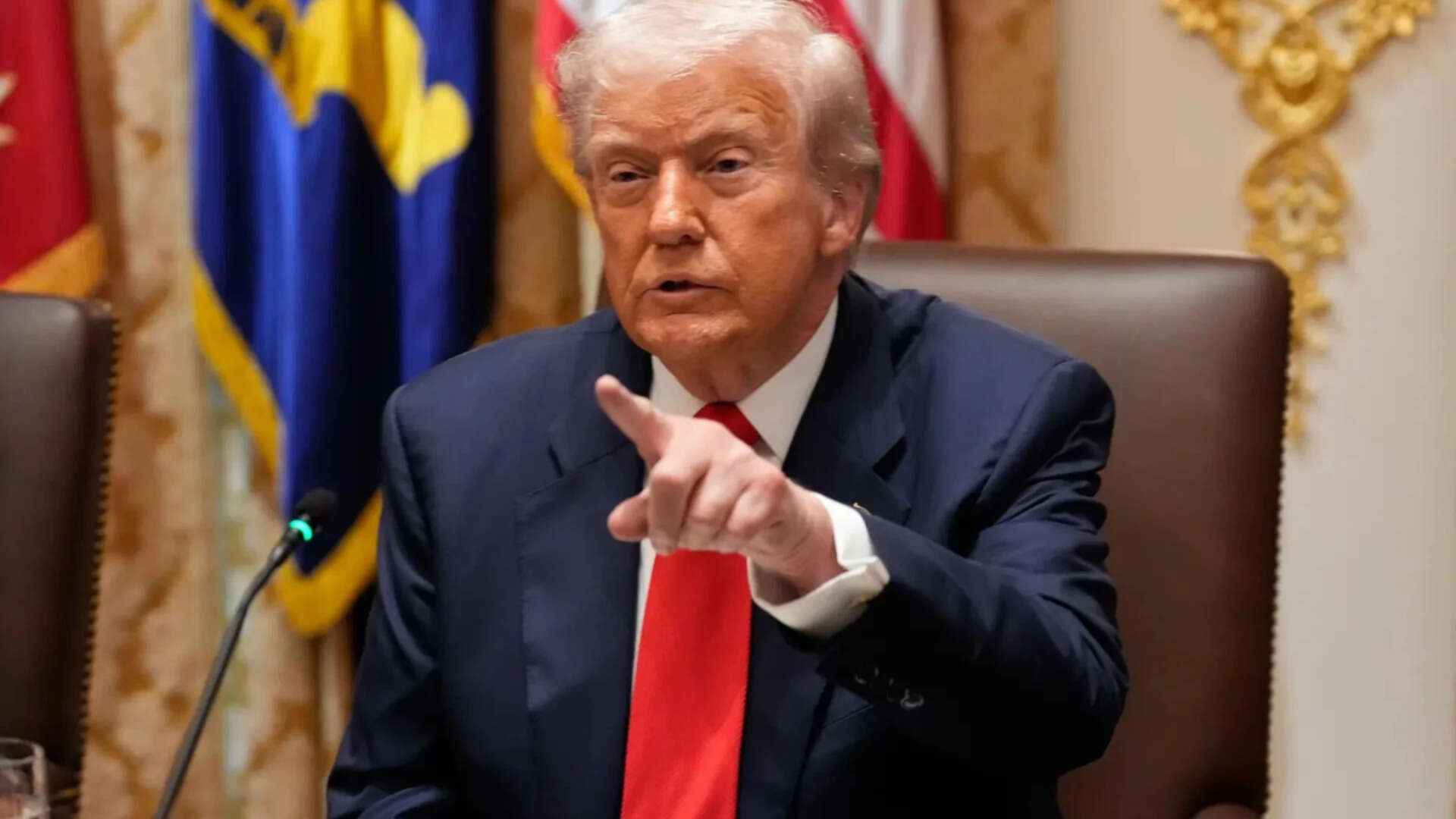
The recent shifts in American foreign policy toward Iran aren’t just about enrichment percentages or uranium stockpiles. They are about the price of bread, the movement of shipping containers, and the sudden, jarring realization that the old rules of engagement have been shredded. Donald Trump’s recent assertions—linking a Middle Eastern ceasefire directly to the total cessation of Iranian nuclear enrichment—represent a gamble that treats geopolitics like a high-stakes corporate merger. It is a strategy built on the belief that everything, even a nation’s sovereign pride, has a price tag.
The Ledger of the Living
Consider a merchant in the Grand Bazaar. Let’s call him Reza. He deals in hand-knotted rugs, pieces of art that take years to breathe into existence. For Reza, "regime change" isn't a political theory; it is the fluctuating value of the Rial in his pocket. When the talk in Washington turns to "nuclear curbs," his supply chain tightens. When the threat of 100% tariffs on any nation trading with Iran hits the airwaves, his international buyers vanish.
The current American stance hinges on a brutal form of clarity. The message is simple: give up the centrifuges, and the world reopens its doors. Refuse, and the walls grow higher, thicker, and more expensive to scale. This isn't the slow, agonizing squeeze of traditional bureaucracy. It is an ultimatum delivered with the blunt force of a sledgehammer.
By tying a ceasefire in Lebanon and Gaza to the dismantling of Iran’s nuclear ambitions, the administration is attempting to solve a Rubik’s cube by simply realigning all the stickers. It assumes that the kinetic heat of the battlefield can be cooled by the cold logic of economic isolation. But history suggests that when people are backed into a corner where their currency is worthless and their dignity is at stake, they don't always reach for the calculator. Sometimes, they tighten their grip on the only leverage they have left.
The Invisible Currencies
Wealth isn't always measured in gold bars. In the corridors of power, the primary currency is "breakout time." This is the theoretical window—the frantic weeks or months—it would take for a nation to move from civilian energy production to a functional weapon.
The current American demand for "zero enrichment" seeks to bankrupt that currency entirely. It isn't enough to have inspectors looking over shoulders; the goal is to remove the machinery altogether. This demand is being fueled by a specific brand of economic leverage: the threat of global tariffs. If you do business with a nuclear-active Iran, you lose access to the American market. It is a binary choice. Zero-sum.
Imagine a shipping magnate in Shanghai or a tech CEO in Berlin. They are being told that the cost of an Iranian oil contract is the total loss of their American consumer base. In this scenario, the United States isn't just a participant in the global economy; it is the landlord, threatening eviction for anyone who speaks to the "wrong" tenant.
The Weight of the "Regime Change" Ghost
Words have weight. When the phrase "regime change" enters the conversation, it carries the ghosts of decades past. It suggests that the goal isn't just a different policy, but a different reality. For those living inside the borders of the Islamic Republic, that phrase doesn't sound like liberation; it sounds like instability. It sounds like the chaotic transitions seen in neighboring nations over the last twenty years.
The tension lies in the gap between what a leader says at a rally and what a family feels at the dinner table. The American administration is betting that the internal pressure of a collapsing economy will force a fundamental shift in Iranian governance. It is a theory of "maximum pressure" taken to its logical, and perhaps final, conclusion.
But metaphors of pressure are dangerous because they ignore the nature of the vessel. If you apply pressure to a steel pipe, it holds until it bursts. If you apply it to a spring, it pushes back with equal force. The Iranian state, shaped by centuries of endurance and decades of sanctions, has become a master of the "resistance economy." They have learned to live in the cracks of the global system, finding backdoors and shadow markets where others see only walls.
The High Cost of the "Deal"
The proposed trade is staggering in its scope. A ceasefire in the Levant—ending the immediate rain of rockets and the displacement of hundreds of thousands—in exchange for the permanent shuttering of a nuclear program that has become a symbol of national identity.
To the Western eye, this looks like a win-win. Peace for non-proliferation. To the hardliners in Tehran, it looks like an invitation to surrender their only shield. The math doesn't quite add up when one side is counting lives and the other is counting isotopes.
We often talk about these events as if they are happening on a map. We see arrows moving across borders and red lines drawn through cities. But the real map is the human nervous system. It is the anxiety of the Israeli parent waiting for the siren that never quite goes away. It is the exhaustion of the Iranian student who sees their future evaporating as the cost of a laptop triples overnight.
The use of tariffs as a weapon of war is a shift in the very fabric of global trade. It suggests that the "free market" is only free for those who align with a specific security vision. If this gambit succeeds, it rewrites the manual for 21st-century statecraft. It turns the Treasury Department into a frontline combat unit.
The Fragility of the Moment
There is a certain cold brilliance to the strategy. By linking the nuclear issue to the immediate violence of the region, it forces every actor to the table simultaneously. It refuses to allow the "nuclear track" to be separated from the "regional proxy track." It treats the Middle East not as a series of isolated fires, but as a single, massive conflagration with one primary fuel source.
However, the risk is that by raising the stakes so high, you leave no room for the quiet, face-saving exits that diplomacy usually requires. When every demand is an ultimatum, every concession looks like a defeat. And in a culture where "honor" is as vital as "interest," defeat is a bitter pill that many would rather die than swallow.
The hum of the centrifuges continues. Somewhere in the desert, the silver cylinders spin, oblivious to the threats of tariffs or the rhetoric of regime change. They follow the laws of physics, which are indifferent to the laws of man.
The world watches the tally. We count the days of the ceasefire. We watch the price of Brent Crude. We wait for the next tweet, the next speech, the next breakthrough. But beneath the headlines, the real story is written in the silence of a closed factory in Isfahan and the nervous eyes of a soldier on the Blue Line.
We are witnessing a grand experiment in whether the wallet can truly conquer the sword. If the American administration is right, the sheer weight of economic exile will eventually break the will of a revolutionary state. If they are wrong, we are simply building a higher pressure cooker, waiting for the moment the metal can no longer hold.
The light in the centrifuge hall never turns off. It glints off the polished surfaces, reflecting a future that is either remarkably peaceful or catastrophically bright. The handshake hasn't happened yet. The hands are still clenched into fists, hidden in pockets, or resting on triggers, waiting to see who blinks first in a game where the ante is everything we have.
The most terrifying thing about a "maximum pressure" campaign is that once you reach the maximum, there is nowhere left to go but through.
The silence that follows a great shift in power is never truly empty. It is filled with the breath of millions of people who are simply waiting to find out if they are allowed to hope again. The silver cylinders spin on. The hum remains. And the world holds its breath, wondering if the price of peace is a cost any nation is actually willing to pay.