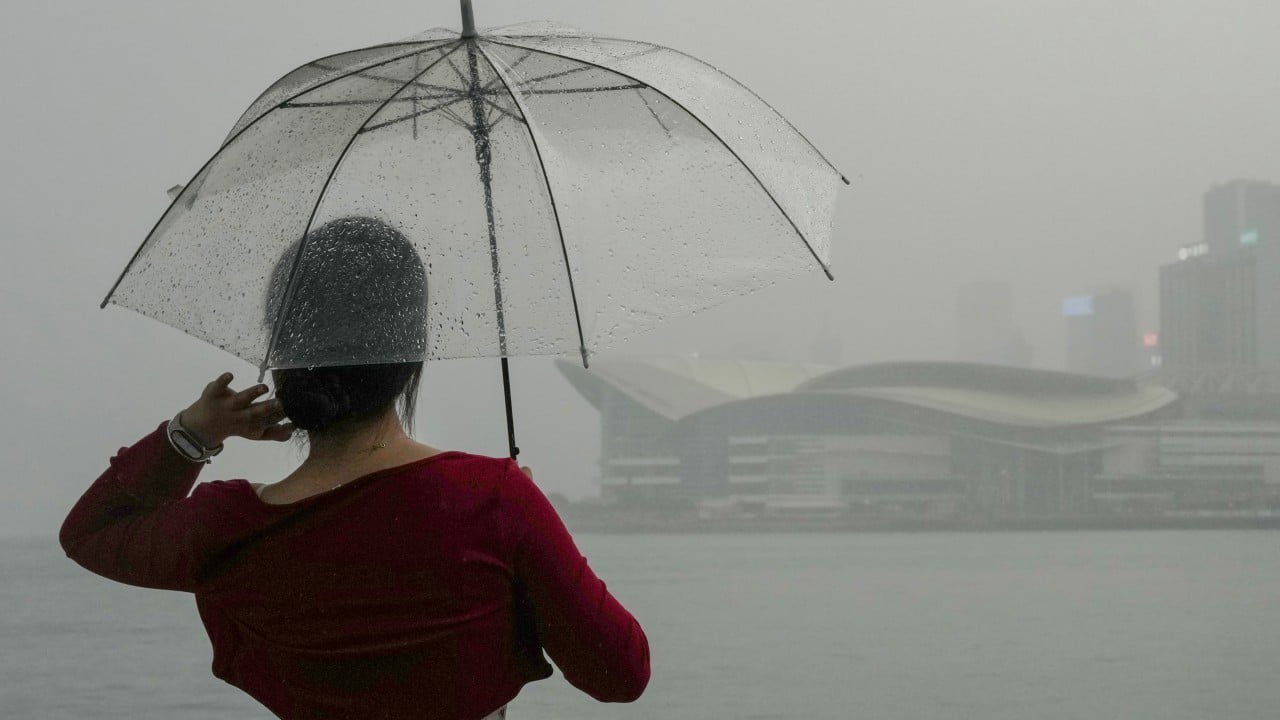
The convergence of a high-pressure continental cold front with a lingering maritime air mass creates a volatile thermal boundary over the Pearl River Delta. This weekend, the specific intersection of a southward-moving cold front and high humidity levels dictates a shift from stagnant heat to active convective weather. Understanding the mechanics of this transition requires analyzing three distinct physical drivers: thermal displacement, moisture saturation, and the arrival of the sub-tropical ridge’s trailing edge.
The Mechanics of Frontal Displacement
A cold front functions as a dense, kinetic wedge. Because cold air is significantly more massive than warm, moist air, it does not mix upon contact. Instead, the advancing cold air mass slides beneath the existing warm air, forcing it upward with high velocity. This process, known as frontal lifting, is the primary engine for the predicted thunderstorms in Hong Kong.
The intensity of these storms is directly proportional to the temperature delta between the two air masses. When the temperature gradient is sharp, the upward acceleration of moist air increases, leading to the rapid formation of cumulonimbus clouds. For the upcoming Sunday event, the thermal gradient is expected to be sufficient to trigger lightning and localized heavy downpours. The vertical velocity of the rising air determines whether the result is a steady rain or a violent electrical storm.
The Saturation Deficit and Convective Available Potential Energy
Rainfall is not a guaranteed outcome of a cold front; it requires a specific threshold of moisture in the pre-frontal environment. Meteorologists measure this through Convective Available Potential Energy (CAPE).
- Pre-Frontal Moisture Loading: Throughout the week, southwesterly winds have been pumping high levels of humidity into the Hong Kong region. This "loading" phase ensures that the air being lifted by the cold front is near its dew point.
- Condensation Release: As the warm air rises and cools at higher altitudes, water vapor condenses into droplets. This phase change releases latent heat, which further fuels the upward draft, creating a self-sustaining storm cell.
- The Cap Effect: Often, a layer of warm air aloft (an inversion) acts as a "lid," preventing storms from forming despite high humidity. The incoming cold front must possess enough kinetic energy to break this cap. Current data suggests the front arriving Sunday has the requisite force to breach this atmospheric ceiling.
Spatiotemporal Variables of the Sunday Arrival
The timing of a cold front determines its impact on urban infrastructure and public safety. Atmospheric models indicate a high probability of the front’s leading edge reaching the New Territories by Sunday morning, progressing toward Hong Kong Island and the south by midday.
The velocity of the front is a critical variable. A fast-moving front typically produces a narrow band of intense, violent weather followed by a rapid drop in temperature and clearing skies. A slow-moving or "stalled" front results in prolonged precipitation, which increases the risk of flooding in low-lying areas. The current trajectory suggests a moderate transit speed, indicating a 4-to-6-hour window of peak instability.
Wind Shear and Urban Microclimates
The interaction between the front and Hong Kong’s unique topography—specifically the high-density skyscraper clusters and the Victoria Peak ridgeline—creates localized turbulence.
- The Venturi Effect: As the wind shifts from the southwest to the north/northeast behind the front, it is forced through narrow gaps between buildings and through harbor channels. This increases wind speed locally, often exceeding the regional averages reported by meteorological stations.
- Ographic Lifting: The hills of Lantau and the New Territories provide an additional physical ramp for the moist air. This often results in higher rainfall totals on the windward side of the mountains compared to the coastal plains.
- Thermal Lag: The concrete mass of the city retains heat far longer than the surrounding sea or rural areas. This "Urban Heat Island" effect can sometimes slightly delay the cooling transition at street level, even after the front has passed overhead.
Post-Frontal Stabilization and the Cooling Function
The aftermath of the thunderstorm is defined by the arrival of the continental air mass. This air is characterized by high density and low humidity. The transition occurs in two stages:
The first stage is the evaporative cooling phase. Rain falling through dry air evaporates, absorbing heat from the environment and causing an immediate, sharp drop in temperature. This is often perceived as the "chill" that accompanies the first gust of a storm.
The second stage is advective cooling. This is the sustained drop in temperature caused by the physical transport of cold air from the north. Unlike the temporary cooling of the rain, advective cooling persists for days. The projected temperature drop for Monday is a direct result of this massive air exchange, shifting the regional baseline from humid sub-tropical conditions to a dryer, cooler continental regime.
Operational Risks and Infrastructure Resilience
The arrival of a cold front during a high-activity period like Sunday presents specific stresses on city systems.
- Drainage Capacity: Hong Kong’s drainage tunnels are designed for high-volume throughput, but the suddenness of frontal thunderstorms can lead to "flash" accumulation. The primary risk factor is the rate of rainfall (mm/hr) rather than the total volume.
- Aviation Disruption: Wind shear—the sudden change in wind speed or direction—is most prevalent during the passage of a cold front. This requires the Hong Kong International Airport to adjust approach patterns, often leading to holding patterns and delays.
- Marine Safety: The shift in wind direction can create "choppy" conditions in the South China Sea and the Pearl River Estuary. Small craft are particularly vulnerable to the sudden gusts that precede the actual rain line.
Strategic Forecast for Urban Management
Based on the current pressure mapping, the cold front will arrive with sufficient force to clear the existing haze and humidity, but the transition period will be marked by high-decibel electrical activity and high-intensity rainfall bursts.
The primary strategic concern is the "first flush" of the storm, which typically carries the highest wind speeds and the most concentrated lightning. Management of outdoor events on Sunday must account for a non-linear weather transition; conditions will likely remain deceptively calm until the front is within 15-20 kilometers of the city center. The most effective mitigation strategy is to monitor the "squall line" via real-time radar rather than relying on static hourly forecasts, as the speed of frontal advancement is subject to fluctuations in the northern high-pressure cell's strength. Post-passage, the city should prepare for a sustained 48-hour period of lower humidity and windier conditions, marking the definitive end of the current warm spell.


