Spatial-Temporal Bottlenecks in Astrotourism Infrastructure
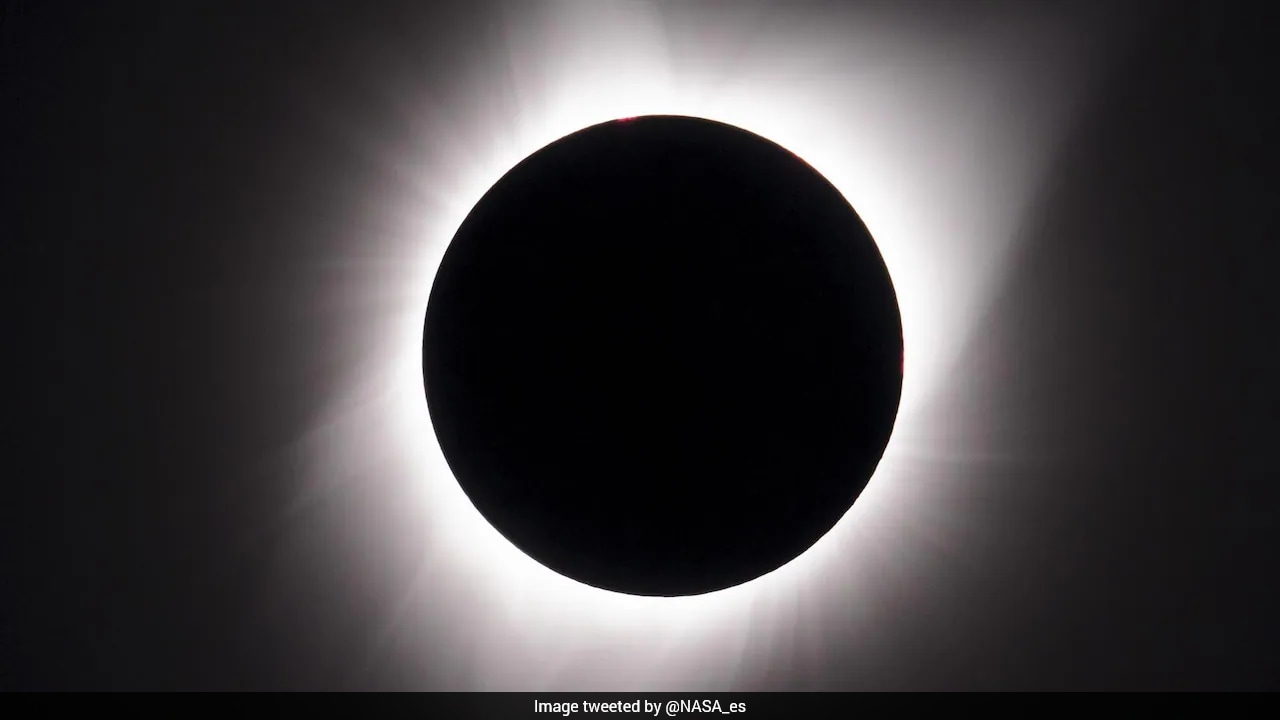
On July 22, 2028, a 100-kilometer-wide shadow of totality will sweep across New Zealand’s South Island, delivering 2 minutes and 51 seconds of daytime darkness. For the urban center of Dunedin—which last intersected the moon’s core shadow in 1163—the event represents an unrepeatable convergence of celestial mechanics and local market dislocation. Two years prior to the event, hospitality inventory in primary view corridors has experienced instantaneous sellouts, exposing structural rigidities inherent in fixed-capacity regional tourism markets.
The economic phenomena triggered by rare celestial events cannot be analyzed using standard seasonal travel models. Instead, astrotourism demands a framework designed for inelastic demand curves operating against hard, unexpandable supply caps. When an estimated 35,000 visitors converge on a city with a resident baseline of 130,000, the market experiences severe microeconomic distortion across three key variables. Meanwhile, you can explore related developments here: Why the AI Trade Is a High-Stakes Gamble for Emerging Markets.
The Dynamic Model of Eclipse-Induced Demand Imbalance
The sudden influx of capital and consumers into a geographically constrained corridor creates a temporary failure of traditional market clearing mechanisms. This structural breakdown operates across three primary vectors:
[Inelastic Spatial Path] + [Extreme Temporal Compression]
                       │
                       ▼
    ┌─────────────────────────────────────┐
    │ Structural Realization Bottlenecks  │
    └──────────────────┬──────────────────┘
                       │
     ┌─────────────────┼─────────────────┐
     ▼                 ▼                 ▼
 ┌──────┐         ┌─────────┐      ┌───────────┐
 │ Bed  │         │ Sky-View│      │ Atmospheric│
 │ Rate │         │ Yield   │      │ Risk      │
 │ Cap  │         │ Factor  │      │ Hedging   │
 └──────┘         └─────────┘      └───────────┘
1. The Room-to-Visitor Inelasticity Threshold
Accommodation inventory in secondary urban markets operates under normal conditions with a buffer designed for standard seasonal variance. An eclipse event compresses five years of peak-day interest into a single four-hour operational window. Because total hotel room counts cannot adjust upward in a 24-to-36-month planning horizon due to construction timelines and municipal zoning, the market reaches physical capacity immediately. The resulting price discovery mechanism forces consumer expenditure outward toward adjacent infrastructure, including residential rentals, regional RV fleets, and temporary camping conversions. To understand the full picture, we recommend the detailed article by The Wall Street Journal.
2. The Direct Line-of-Sight Premium
Not all geographic space within the path of totality yields equal value. Demand clusters heavily along nodes that combine high probability of low cloud cover, long duration of totality, and low horizon obstruction. In Dunedin, where totality occurs late in the afternoon (4:17 PM local time) with the sun positioned low on the north-western horizon (approximately $8.3^\circ$ altitude), property value shifts dynamically toward elevated terrains with clear western vistas. Properties featuring unobstructed north-western sightlines command disproportionate yield premiums compared to visually obstructed valley accommodation within the exact same zip code.
3. Winter Microclimate Volatility and Risk Allocation
The July timing of the 2028 event places it squarely in the Southern Hemisphere winter, introducing high-altitude cloud cover and marine moisture layers as major operational risks. The economic consequence is a bifurcated demand strategy: high-intent observers buy option value by double-booking across disparate microclimates—for instance, locking down coastal inventory in Dunedin while simultaneously securing inland mountain positions near Queenstown. This practice artificially inflates early booking metrics while setting the stage for late-stage cancellation cascades as meteorological forecasts solidify 48 hours prior to contact.
Quantifying the Yield Shift: Standard Tourism vs. Astrotourism Peak
| Metric | Standard Peak Tourism (Dec–Feb) | Eclipse Total Solar Event (July 2028) |
|---|---|---|
| Booking Lead Window | 30 to 90 Days | 700 to 1,000 Days |
| Price Elasticity of Demand | Elastic (Consumers sub destinations) | Highly Inelastic (Path of totality non-negotiable) |
| Geographic Distribution | Broad regional dispersal | Ultra-concentrated along a 100km corridor |
| Duration of Stay | 3.5 Days average | 1.5 Days hyper-compressed spike |
| Cancellation Profile | Standard linear curve | Low early cancellations; high late-stage meteorology-driven drop-off |
Supply Chain Realities and Inventory Distortions
The early exhaustion of traditional hotel stock creates immediate knock-on effects across regional infrastructure. When legacy booking channels fill, the surrounding regional economy undergoes a series of rapid structural shifts.
Pre-Market Forward Contracts
Hotels and specialized operators bypass traditional Online Travel Agencies (OTAs) to offer bundled packages directly to consumer bases. By combining lodging with specialized equipment, expert-led lectures, and transportation access, operators cap their downside while capturing consumer surplus months ahead of standard inventory distribution windows.
Civil Infrastructure Strain
The influx of 35,000 visitors into a region with 130,000 residents represents a localized population surge of over 26%. Local authorities face operational stress points distinct from standard holiday crowds:
- Traffic Gridlock at First and Fourth Contact: Unlike music festivals or sports matches with staggered arrival times, eclipse viewing enforces absolute synchronicity. Hundreds of thousands of vehicles enter and exit rural viewing corridors within the exact same 60-minute post-totality window.
- Grid and Connectivity Overload: Concentrated cellular data usage at maximum totality degrades local telecommunications infrastructure, hindering real-time navigation and emergency services.
- Municipal Waste and Public Health: Facilities designed for baseline populations must handle peak loads that exceed structural capacity by orders of magnitude.
The Indigenous Cultural Intersection Premium
The 2028 event occurs roughly ten days after Matariki, the Māori New Year marked by the rise of the Pleiades cluster. This timing creates a unique cultural marketing layer. Municipalities that integrate Indigenous celestial navigation frameworks with scientific observation capture significantly higher yields than destinations relying purely on basic viewing access. Cultural festivals act as temporal anchors, extending what would otherwise be an overnight trip into a multi-day cultural tourism itinerary.
The Strategic Playbook for Local Municipalities and Operators
To convert a 171-second physical event into sustained economic value without causing severe infrastructure degradation, local authorities and hospitality networks must abandon passive operational models.
Municipal planners must immediately establish dynamic traffic corridors using one-way road conversions along primary arterial paths out of high-density viewing sites, preventing post-totality gridlock during the critical 17:00–19:00 departure window. Concurrently, telecom operators must deploy temporary mobile cell sites (COWs) across designated viewing nodes along the path to absorb the massive surge in simultaneous data transfers.
For property owners and hotel managers, the strategy relies on strict cancellation policies tied to non-refundable tiers, paired with mandatory minimum stay lengths (minimum 3 nights) to prevent single-night margin erosion. Unbundling baseline lodging from viewing access—specifically by monetizing verified, unobstructed rooftop or western-facing open-air spaces—allows operators to extract peak value from high-intent consumers while managing total physical footprint safely.