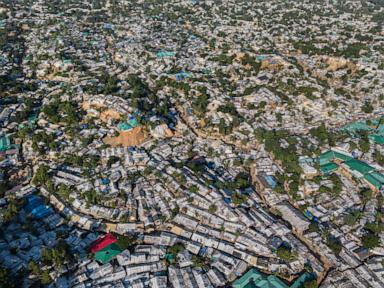
The reported loss of over 500 Rohingya refugees in the Bay of Bengal represents a predictable consequence of systemic failures rather than an isolated maritime tragedy. In late June 2026, two vessels departed Myanmar’s conflict-torn Rakhine State. The first, carrying approximately 250 passengers, lost contact shortly after departure; the second, carrying 280 people, sank off the Ayeyarwady coast on July 8. By analyzing this crisis through structural, economic, and meteorological frameworks, we can understand why refugees are choosing highly dangerous sea routes despite predictable monsoon hazards.
The Push-Pull Dynamics of Refugee Flight
The decision to embark on a highly hazardous maritime transit during the monsoon season can be modeled as a rational response to a severe deterioration of local survival conditions. When the utility of remaining in a location drops below the risk-adjusted utility of a dangerous transit, migration occurs.
       [ Rakhine State Conflict ]         [ Cox's Bazar Ration Cuts ]
                    \                                  /
                     \                                /
                      v                              v
               [ Absolute Local Utility Drops Below Survival Threshold ]
                                     |
                                     v
                       [ High-Risk Maritime Transit ]
                                     |
                       +-------------+-------------+
                       |                           |
                       v                           v
              [ Route Vulnerability ]     [ Meteorological Risk ]
The Conflict Vector: Rakhine State Escalation
The ongoing war between the Myanmar military junta and the Arakan Army has eliminated the remaining physical security for the Rohingya population inside Rakhine State. Confined to internment camps and subjected to ongoing violence, those remaining inside Myanmar face a complete absence of legal status and physical protection. This domestic violence acts as a primary push factor, driving individuals to seek transit options directly from the Myanmar coast.
The Sustenance Vector: Cox's Bazar Depletion
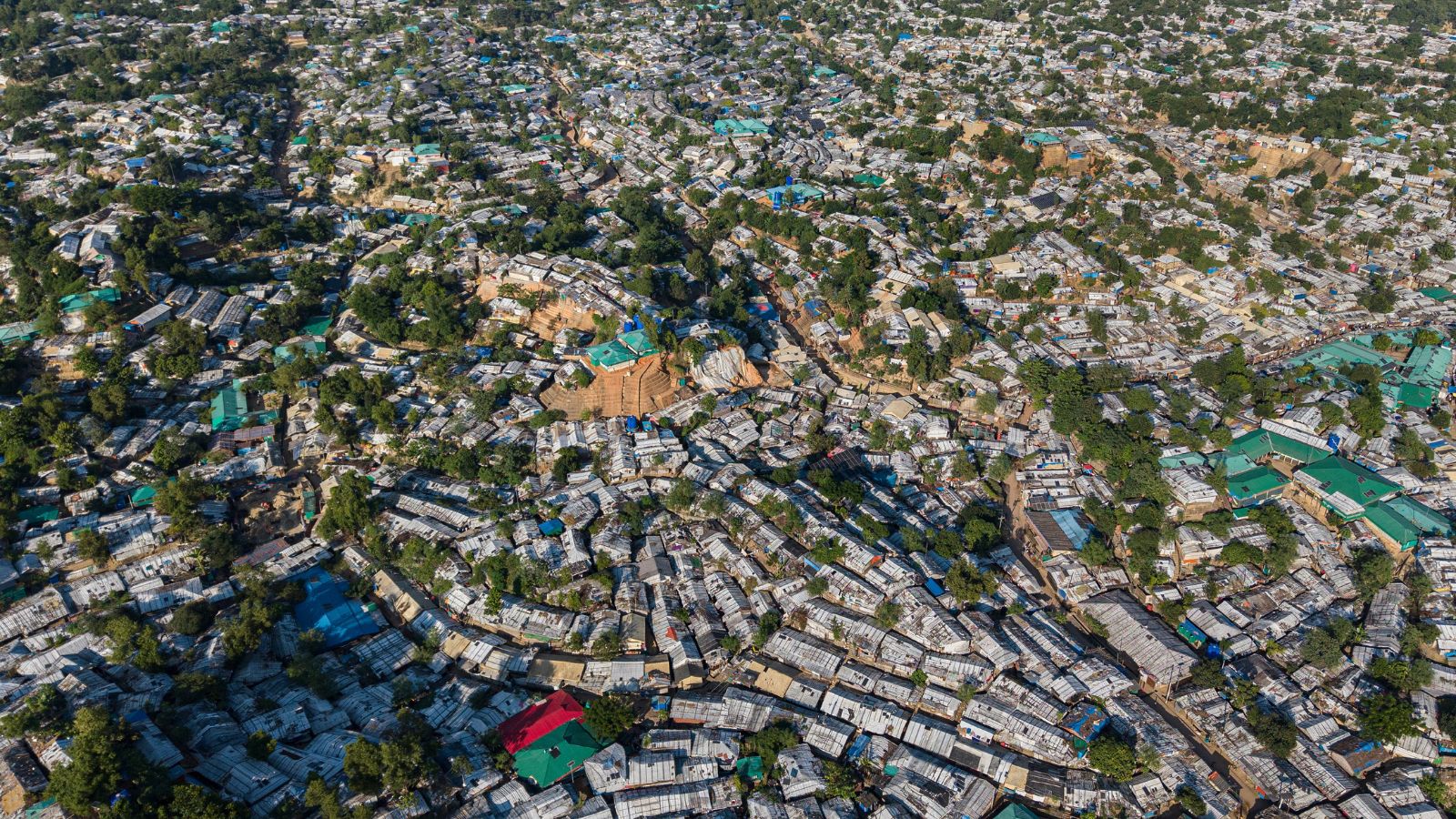
For the 1.2 million refugees residing in the Cox's Bazar complex in Bangladesh, the push factors are economic and administrative. Significant reductions in international humanitarian funding, particularly from major Western donor nations, have forced the World Food Programme to repeatedly slash basic food rations. This nutritional deficit, combined with camp insecurity, extortion by armed groups, and a complete ban on formal employment, has eroded the baseline viability of camp life.
The Economics of Off-Season Transit
The late-June departures occurred outside the traditional sailing window, which typically runs from October to March when the northeast monsoon provides calmer seas. Choosing to sail during the southwest monsoon, characterized by torrential rains and violent sea states, highlights a significant shift in how refugees assess risk.
Risk vs. Capital Constraints
During the safer winter months, demand for passage rises, which increases the cost of smuggling services. Off-season transit operates at a steep discount due to the extreme physical risks involved. For refugees facing immediate starvation or forced conscription, the lower capital requirement of an off-season voyage makes it the only accessible option.
Smuggler Arbitrage and Vessel Degradation
The maritime assets used by trafficking networks are typically unseaworthy, retired wooden fishing trawlers. These vessels are structurally incapable of handling the open ocean, let alone the wave heights of a monsoonal Bay of Bengal. Smugglers maximize their margins by overloading these craft:
$$V_{overload} = \frac{P_{actual}}{P_{design}} \ge 3.0$$
Where $P_{actual}$ is the actual passenger count and $P_{design}$ is the safe passenger capacity. This level of overloading compromises the vessel's metacentric height, making it highly susceptible to capsizing in rough seas.
The Policy Vacuum and Maritime Security Gaps
The extreme mortality rate of the Andaman Sea route—which the UNHCR identified as the deadliest migrant crossing globally in 2025, with nearly 900 dead or missing out of 6,500 attempts—is directly linked to regional policy structures.
| Variable | Regional Policy Reality | Systemic Impact |
|---|---|---|
| Search and Rescue (SAR) | Pushback policies and delayed responses by coastal states. | Increases vessel exposure time to dangerous sea conditions. |
| Legal Protections | Non-signatory status of regional nations to the 1951 Refugee Convention. | Restricts formal asylum processing and incentivizes irregular entry. |
| Disincentive Framework | Focus on criminalizing migration rather than targeting trafficking networks. | Pushes trafficking routes further offshore, raising transit risks. |
This policy framework creates a severe coordination failure. Coastal states often treat incoming refugee vessels as security threats rather than humanitarian emergencies, resulting in delayed search-and-rescue actions that increase the likelihood of mass-casualty events.
Strategic Interventions for Regional Maritime Management
Addressing this crisis requires shifting from reactive emergency management to a proactive structural response.
- Establish a Multilateral Maritime Coordination Center: Regional bodies must implement a shared tracking and rescue protocol that prioritizes saving lives at sea, regardless of a vessel's legal status.
- Restore Aid Funding to Bangladesh Camps: Reversing ration cuts in Cox’s Bazar is the most direct way to reduce the economic pressure driving refugees toward high-risk sea crossings.
- Implement Managed Pathways: Creating legal, orderly migration options for employment in destination markets like Malaysia would undermine the business model of human smuggling networks.
Without these structural interventions, the economic pressures in Bangladesh and the ongoing conflict in Myanmar will continue to push vulnerable populations onto unsafe waters, leading to further avoidable losses of life.