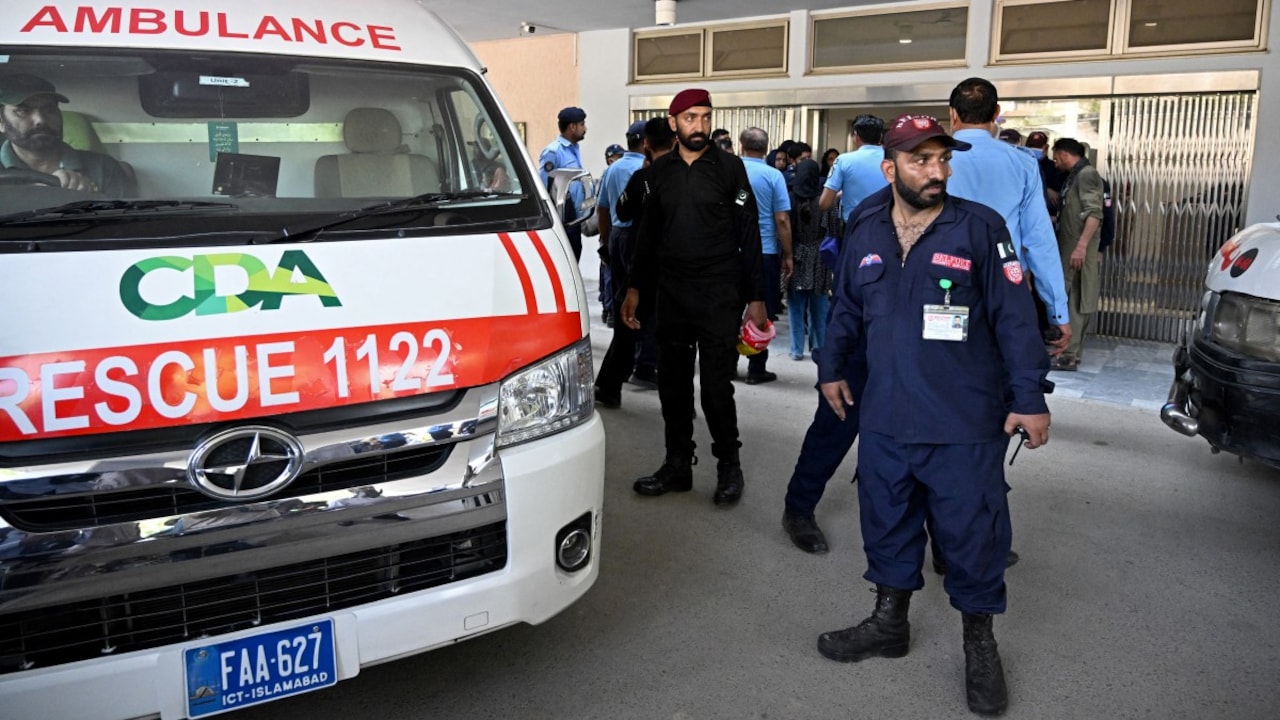
Catastrophic facility failures rarely stem from a single anomalous point of failure. Instead, they represent the terminal intersection of latent system vulnerabilities, deferred infrastructural maintenance, and cascading operational bottlenecks. When a fire breaks out in a high-density neonatal care unit, the resulting mortality is not merely an isolated tragedy of chance; it is the physical manifestation of systemic breakdown across fire suppression protocols, architectural compartmentalization, and evacuation logistics.
Analyzing such an event requires stripping away emotional narratives to evaluate the underlying mechanics of institutional failure. Hospitals operate as complex socio-technical systems where human operators, regulatory compliance frameworks, and heavy mechanical infrastructure must synchronize continuously. When one component fails under stress, the architecture must absorb the shock. In environments housing vulnerable populations who lack independent mobility, the margins for structural and procedural error shrink to zero.
The Triad of Institutional Vulnerability
To understand why standard safety protocols fail during high-stress incidents, we must examine the three primary vectors of institutional risk in healthcare facilities: regulatory drift, infrastructural depreciation, and operational latency.
Regulatory drift occurs when safety standards are met on paper through initial compliance audits, but the day-to-day enforcement degrades as administrative priorities shift toward cost containment. Over years, fire doors are propped open for convenience, emergency exit pathways accumulate supply clutter, and maintenance schedules for electrical distribution panels are delayed to minimize operating theatre downtime.
Infrastructural depreciation compounds this drift. Electrical grids in older medical facilities are frequently retrofitted to handle modern diagnostic and life-support loads that far exceed original design capacity. Without systematic capacity upgrades, wiring harnesses experience chronic thermal fatigue. When combined with inadequate circuit breaker grading or outdated smoke evacuation ductwork, a localized short circuit transforms rapidly into a localized toxic environment.
Operational latency represents the time gap between threat detection and effective human intervention. In high-density clinical wards, nurse-to-patient ratios dictate response capabilities. When an alarm triggers, the cognitive load placed on staff to verify the threat, initiate internal containment protocols, and execute physical evacuation for non-ambulatory infants creates a dangerous delay. If staff training relies on theoretical compliance rather than high-frequency simulation drills, execution paralysis follows.
The Cost Function of Deferred Maintenance
Economic constraints in healthcare administration create a continuous tension between capital expenditure on preventative safety and short-term operational profitability. Capital allocation models in hospital management often treat infrastructure as a sunk cost rather than an active risk-mitigation asset.
The financial calculus of maintenance follows a predictable decay curve. Deferring minor electrical inspections or delaying the replacement of aging fire damper actuators saves modest amounts in quarterly budgets. However, the accumulated risk grows non-linearly. When an ignition event occurs, the absence of functional automated suppression systems forces total reliance on manual intervention, shifting the cost from capital budgeting to catastrophic loss of life and institutional liability.
Safety margins in neonatal wards must account for physiological fragility. Infants in incubators are entirely dependent on continuous electrical power for thermoregulation and oxygen delivery. A power grid failure that triggers backup generation must execute within seconds. Any latency in the automatic transfer switch introduces a critical window where life support systems falter, complicating evacuation efforts while toxic combustion byproducts fill the space.
Architectural Bottlenecks and Evacuation Mechanics
The physical layout of medical wards dictates the upper bound of survival rates during a fire event. Modern hospital architecture relies on compartmentalization—dividing floors into smoke-tight zones using rated fire doors and automated barriers designed to buy time for horizontal evacuation.
When these architectural boundaries fail, smoke migration becomes the primary vector of mortality. Combustion products such as carbon monoxide, hydrogen cyanide, and particulate smoke travel through HVAC ducts and open corridors faster than human movement. In a maternity ward, the physical density of cribs, medical carts, and monitoring equipment creates physical bottlenecks in corridors that were engineered for standard foot traffic rather than mass emergency egress.
Horizontal evacuation protocols require moving patients to an adjacent smoke compartment on the same floor rather than attempting vertical evacuation via stairs or elevators during a fire. This strategy fails if the adjacent compartment shares compromised seals or if staff lack clear direction on directional priority. Furthermore, elevators automatically home to ground floors or lock out during fire alarms, rendering vertical transport non-viable and placing the entire burden of evacuation on manual carrying capacity.
Systemic Corrections and Operational Redundancies
Mitigating the risk of catastrophic ward failures requires a shift from reactive compliance to continuous system stress-testing. Facilities must abandon static annual safety checklists in favor of dynamic failure mode and effects analysis. This methodology identifies single points of failure across electrical, mechanical, and human subsystems before an incident occurs.
Redundancy must be engineered into every layer of critical care infrastructure. Electrical feeds require dual-path isolation with independent routing to prevent a single structural collapse from severing primary and backup power simultaneously. Smoke evacuation systems must operate on independent, generator-backed loops with automatic pressure differentials that push toxic gases away from egress routes rather than pulling them through patient wards.
Institutional accountability depends on transparent reporting loops where near-misses regarding equipment malfunctions or delayed alarm responses are treated with the same investigative rigor as actual casualties. Until healthcare systems treat infrastructure integrity as a core clinical metric rather than an administrative afterthought, high-density wards will remain vulnerable to the compounding effects of operational drift.
Implement a mandatory, unannounced quarterly stress-test of all horizontal evacuation pathways and secondary power transfer switches across every high-acuity ward, tying executive facility compliance directly to institutional operating licensing.


.jpg)
