Panic sells. Rationality doesn't.
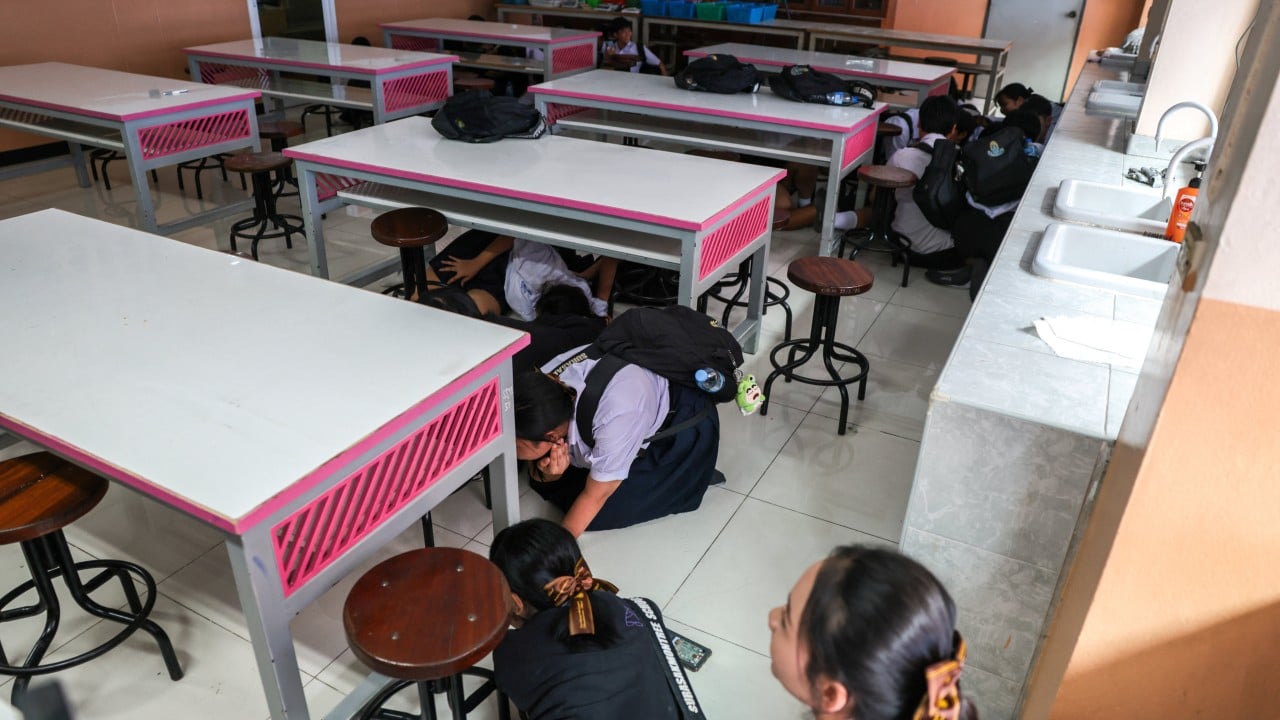
When media outlets cover school safety, they default to a comforting, highly theatrical script. A tragedy occurs. The public demands action. Authorities respond with the most visible, easily marketable intervention available: active shooter drills. Children are told to lock doors, turn off lights, and hide under desks. Grown adults nod sagely, convincing themselves that institutional readiness looks like kindergarteners practicing how to evade an armed hunter. Discover more on a related topic: this related article.
It is security theater at its most psychologically corrosive.
I have spent years analyzing high-consequence crisis response and physical security infrastructure. I have watched institutions burn millions of dollars on compliance checkboxes that make adults feel proactive while systematically degrading the mental well-being of the people they are supposed to protect. The lazy consensus says that more drills equal more safety. The data, the psychology, and basic operational reality say the exact opposite. Additional analysis by Al Jazeera delves into similar perspectives on the subject.
We are not hardening schools. We are terrorizing them on a schedule.
The Flawed Premise of Institutional Panic
Let us look at the standard defense of these drills. Proponents argue that repetition builds muscle memory. In a high-stress crisis, procedural familiarity keeps people alive.
That logic holds up when you are evacuating a burning building. Fire is a predictable physical phenomenon with clear sensory indicators and universal escape routes. A human intruder with a firearm is an adaptive, thinking threat who actively exploits predictability.
When you codify lockdown procedures into repetitive, state-mandated drills, you do something dangerous. You map out the exact spatial constraints of the school for potential perpetrators. More importantly, you train an entire generation to view their learning environments as hostile combat zones.
The psychological toll is not a secondary side effect. It is the primary cost. Studies tracking youth mental health post-drill implementation show spikes in chronic anxiety, depressive symptoms, and a generalized sense of fatalism among students. We are teaching children that terror is normal, inevitable, and scheduled for the third Tuesday of every month.
If your safety protocol causes more psychological casualties than it prevents, it is a failed policy.
The Difference Between Theater and Engineering
Real security is boring. It is about environmental design, access control, and mechanical failure points. It is not about a seven-year-old child holding their breath in a dark closet while an administrator jiggles the door handle to test compliance.
Architectural hardening works. Hardened entry vestibules, single points of managed access, reinforced interior doors, and modern electronic communication systems require zero active participation from children. They operate in the background. They do not require a traumatized classroom to out-think a tactical scenario.
Yet school boards consistently underfund invisible infrastructure because it lacks political theater. You cannot put a picture of a reinforced door frame on a nightly news segment. You cannot score political points by upgrading a security latching mechanism. But you can mandate a drill, hand out certificates of completion, and pretend you have solved a complex sociological problem.
We prioritize visibility over efficacy. That trade-off is deadly.
Dismantling the Compliance Trap
People love to ask the standard PAA question: How can parents ensure their local schools are doing enough to protect students from active threats?
The question itself is flawed. It assumes that "doing enough" means doing more of the theatrical rituals currently in rotation. Parents should be asking a radically different question: What evidence proves your safety protocols reduce casualties without permanently damaging student mental health?
When pushed, most school administrators cannot produce data showing that active shooter drills save lives in real-world K-12 environments. They rely on the gut-check assertion that preparation is inherently good.
True preparation looks like threat assessment teams that actually intervene before a crisis manifests. It looks like mental health infrastructure that identifies isolated, radicalized individuals long before they acquire the means to do harm. It looks like reliable emergency communication networks that allow law enforcement to bypass the archaic chaos of school radio dead zones.
None of these solutions fit neatly into a forty-five-minute assembly. None of them allow a superintendent to issue a press release praising their own proactive stance.
The Cost of Cowardice
We keep running these drills because stopping them requires institutional courage. It requires administrators to admit that they bowed to public panic rather than data-driven security principles. It requires school boards to face down angry parents who equate a lack of visible theater with a lack of care.
So the cycle continues. Children hide. Adults pretend. The baseline anxiety of an entire generation ratchets upward another notch.
Stop running kids through tactical simulations designed to soothe adult conscience. Fix the doors. Fix the culture. Fix the infrastructure.
Or admit that the drills were never about keeping them safe in the first place.