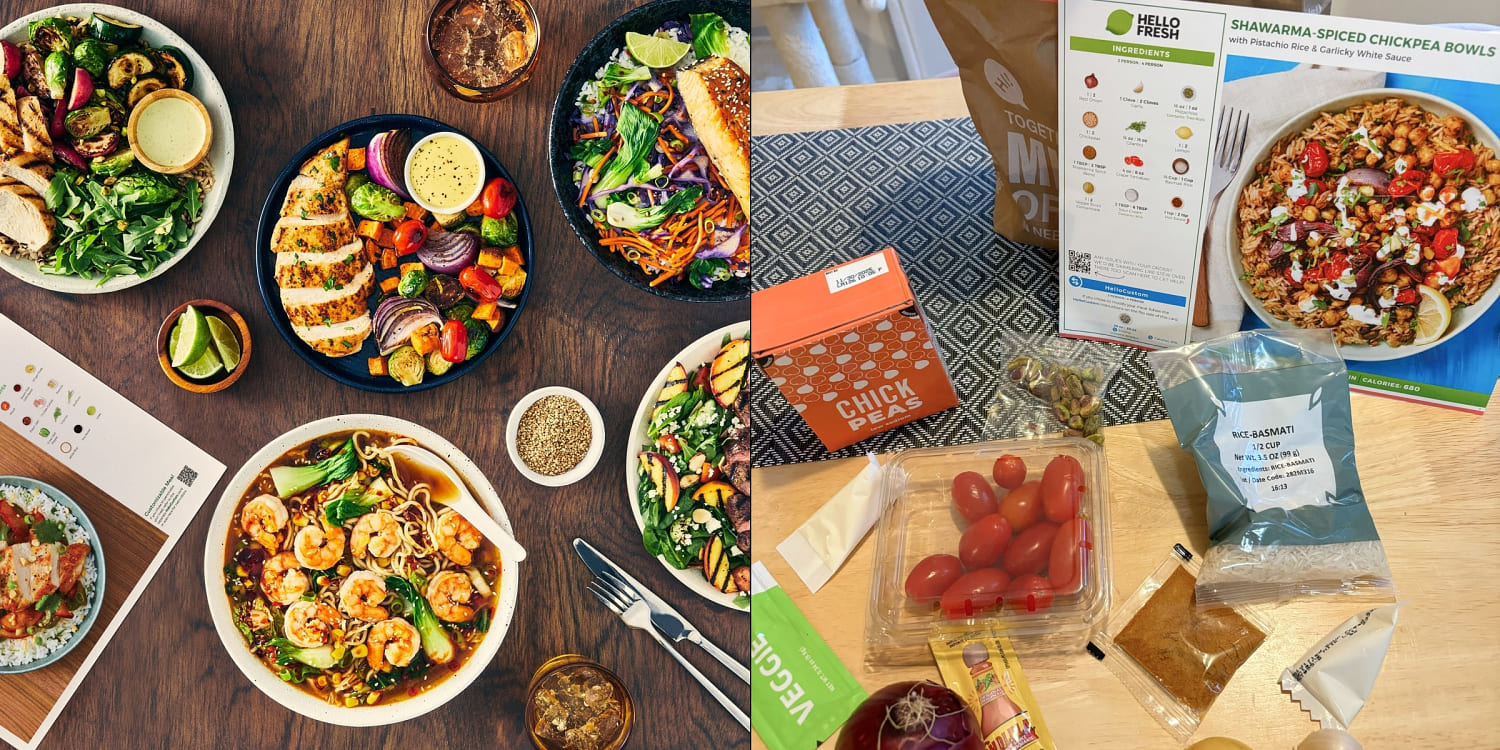
The sound of the front door opening at 6:15 PM used to fill me with a very specific, cold dread. It was not the sound of my husband coming home that terrified me; it was the silent, glaring void of the kitchen waiting behind him. Bags of groceries bought with ambitious Monday-morning intentions sat rotting in the crisper drawer. Wilted spinach. A lonely, bruised zucchini. A block of cheddar cheese gone green at the corners.
I was a non-cook. Not in the charming, self-deprecating way people say it on television sitcoms, but in the flat, defeated way of someone who could manage to burn water and induce smoke alarms with a piece of toast. Cooking felt like an exclusive club where I didn’t know the handshake, the password, or the language. Recipes read like chemistry exams written in a foreign dialect. Whisk until stiff peaks form. Sauté until translucent. Deglaze the pan. For another perspective, read: this related article.
What does translucent even mean for an onion? Does it glow? Does it vanish?
For years, my diet was a revolving door of takeout menus and frozen dinners that tasted faintly of cardboard and salt. I spent an embarrassing amount of money on delivery apps, watching cold pad Thai arrive forty minutes late while my bank account bled quiet, steady tears. I felt like a failure at basic adulthood. Every human being on earth seemed to possess an innate, genetic code for turning raw ingredients into sustenance, while I stood paralyzed in the cereal aisle, wondering if I could survive on honey-nut clusters and almond milk for another week. Further analysis on the subject has been provided by Medical News Today.
Then came the box.
It arrived on a Tuesday, heavy and damp with condensation from the ice packs inside. A cardboard cube left on my welcome mat like a strange, minimalist package from the future. Inside lay neatly segregated paper bags labeled with pictures of garlic cloves and sprigs of thyme. Miniature bottles of soy glaze. Precisely measured pinches of brown sugar wrapped in tiny plastic packets.
It felt like training wheels for human survival.
The service was HelloFresh, though it could have been any of the meal kit empires that quietly colonized suburban doorsteps over the last decade. The premise was deceptively simple: strip away the friction of modern eating. No grocery lists. No wandering the aisles of a megastore trying to find smoked paprika between rows of industrial cleaning supplies. No buying an entire twenty-dollar jar of sesame oil for a single teaspoon called for in step four.
Instead, the portion was exact. The math had already been done by someone in a brightly lit test kitchen miles away.
That first night, my hands shook slightly as I unfolded the instruction card. Step one: Wash and dry produce. I could handle that. I rinsed two carrots under the tap, feeling a strange, illicit thrill of competence. Step two: Peel and dice the onion. I remembered the old chef trick about breathing through your mouth to avoid tears, and miraculously, it worked. The knife felt heavy and foreign in my palm, but the weight was grounding.
As I stood at the stove, listening to the sharp, aggressive hiss of oil hitting a hot skillet, the kitchen transformed. The harsh overhead fluorescent light suddenly felt warm. The acrid smell of burnt garlic, my old nemesis, was replaced by the nutty, caramelized aroma of butter and scallions. I wasn't just following instructions; I was conducting a small, private symphony.
The meal took thirty-two minutes. It was a ginger-soy pork bowl with jasmine rice and roasted green beans. When I sat down at the table and took the first bite, something inside my chest unclenched. It tasted real. It tasted fresh. More importantly, I had made it. My own two hands, clumsy and inexperienced as they were, had coaxed raw food into a dinner that looked remarkably like the photograph on the glossy card.
That single meal cracked open a locked door in my mind.
The broader cultural shift toward meal kits is often analyzed through the cold lenses of business logistics and venture capital funding. Analysts write about cold-chain optimization, subscription retention metrics, and market penetration. They talk about how companies disrupted the traditional grocery supply chain by cutting out the middleman and delivering perishable goods directly to the consumer's porch.
They miss the human story entirely.
The true innovation of the meal kit was never about the food. It was about cognitive load. By the time the modern worker gets home at night, the executive function required to make decisions has been entirely depleted by eight hours of emails, slack messages, and interpersonal navigation. Asking a tired person to invent dinner from scratch is like asking a marathon runner at mile twenty-six to solve a calculus equation.
Decision fatigue is the silent killer of home cooking. When every option requires planning, purchasing, prepping, and executing, the path of least resistance will always be the plastic container from the takeout joint down the street.
Meal kits removed the decision-making labyrinth. They turned cooking from a chore requiring high-level project management into a low-stakes assembly task. It was paint-by-numbers for the culinary illiterate.
For the first few weeks, I relied on the cards like a lifeline. I refused to deviate from the instructions by even a fraction of a millimeter. If the card said to flip the chicken breast at exactly four minutes, I stood over the stove with my phone's stopwatch running, terrified that an extra thirty seconds would plunge me back into the dark ages of dry, inedible meat.
Slowly, the stopwatch went away.
I began to notice patterns. I realized that roasting vegetables required high heat and olive oil, regardless of whether they were broccoli florets or sweet potato cubes. I learned that garlic should go into the pan after the onions, otherwise it burns and turns bitter before the rest of the aromatics even soften. These weren't secrets whispered by professional chefs; they were foundational truths of the kitchen that I had simply never stayed around long enough to witness.
The financial argument against meal kits always misses the psychological ROI. Critics point out that buying ingredients individually at a discount supermarket is cheaper per ounce than paying a company to portion them out for you. And they are mathematically correct. But that argument assumes that the alternative to a meal kit is a meticulously planned, home-cooked meal prepared from scratch using bulk ingredients.
For people like me, the actual alternative was not a cheaper home-cooked meal. The alternative was a twenty-four-dollar DoorDash order of lukewarm burritos and an escalating sense of personal inadequacy.
The box changed the economics of my week. Because the ingredients arrived pre-portioned for exact servings, food waste plummeted to absolute zero. No more fuzzy zucchinis. No more bags of spinach turning into green slime at the bottom of the crisper. Every single item had a destination and a purpose.
Months blurred into a steady rhythm of boxes. The cardboard cubes became a familiar, comforting presence on Tuesdays. But a strange thing started happening around month six.
I started going off-script.
It began innocently enough. One night, the recipe called for red pepper flakes, but I had a jar of Calabrian chili paste sitting in the back of the fridge from an old experiment. I scooped a teaspoon into the pan. It was a risk. It could have ruined the entire sauce. Instead, it elevated the dish into something vibrant, sharp, and deeply personal.
A few weeks later, I walked past the vegetable stand at the local farmers market on a Saturday morning. The colors stopped me in my tracks—deep purple eggplants, bright yellow summer squash, heirloom tomatoes smelling faintly of earth and sun. For the first time in my life, I didn't feel intimidated. I walked up to the stall, picked up a heavy, asymmetrical tomato, and bought it without a recipe in my head.
The transition from non-cook to cook didn't happen in a sudden, cinematic flash of lightning. It happened quietly, like the dawn breaking over a sleeping city.
The box had done its job. It had carried me across the terrifying chasm between helplessness and competence. It provided the scaffolding I needed while I built my confidence. And eventually, just like training wheels on a bicycle, I didn't need the structure anymore to keep my balance.
Now, when 6 PM rolls around, the front door opens, and the dread is gone. The kitchen is no longer a hostile territory guarded by foreign appliances and complicated terminology. It is just a room with a stove, a knife, and a cutting board.
I still order a meal kit occasionally, especially during chaotic weeks when life threatens to swallow my free time whole. There is no shame in it. Convenience is not a moral failing; it is a tool for living. But the real victory isn't the food sitting on the plate. The victory is the quiet, steady certainty that I can feed myself, that I can look at raw ingredients and see potential instead of panic.
The box gave me back my kitchen. But more than that, it gave me back a small, essential piece of agency in a world that so often makes us feel completely out of control.