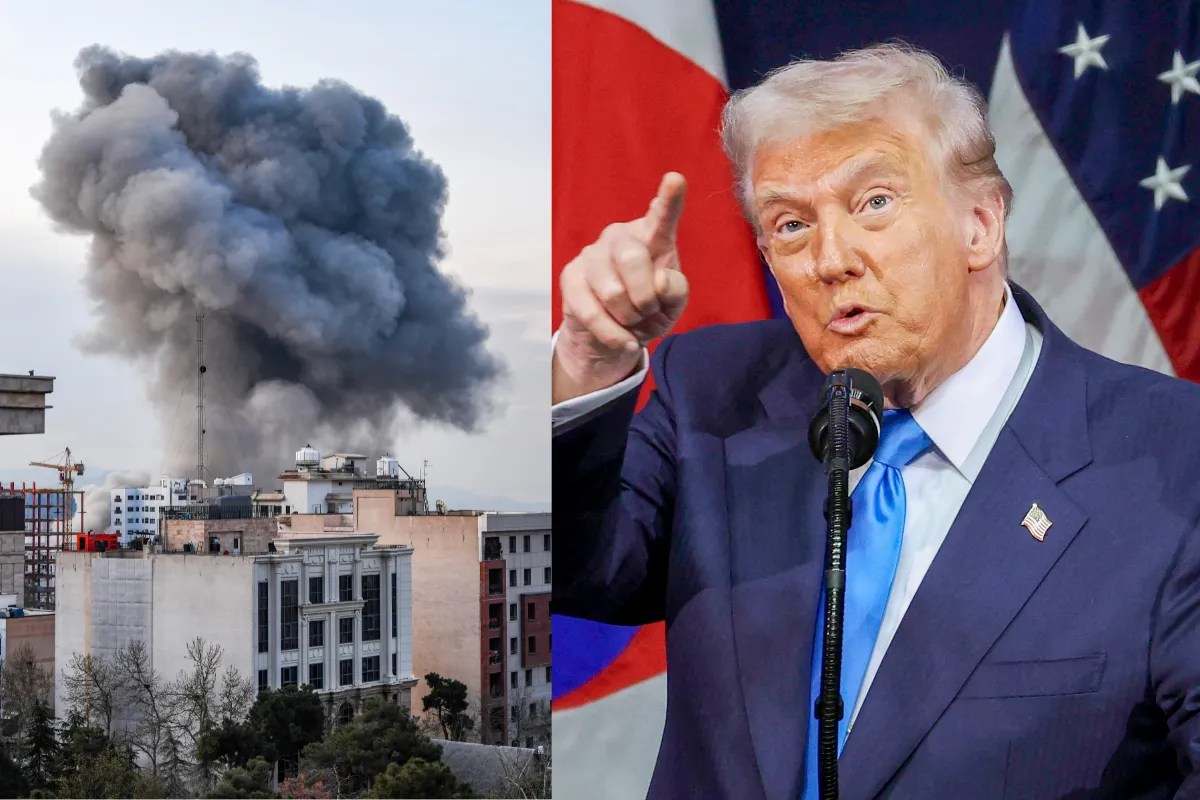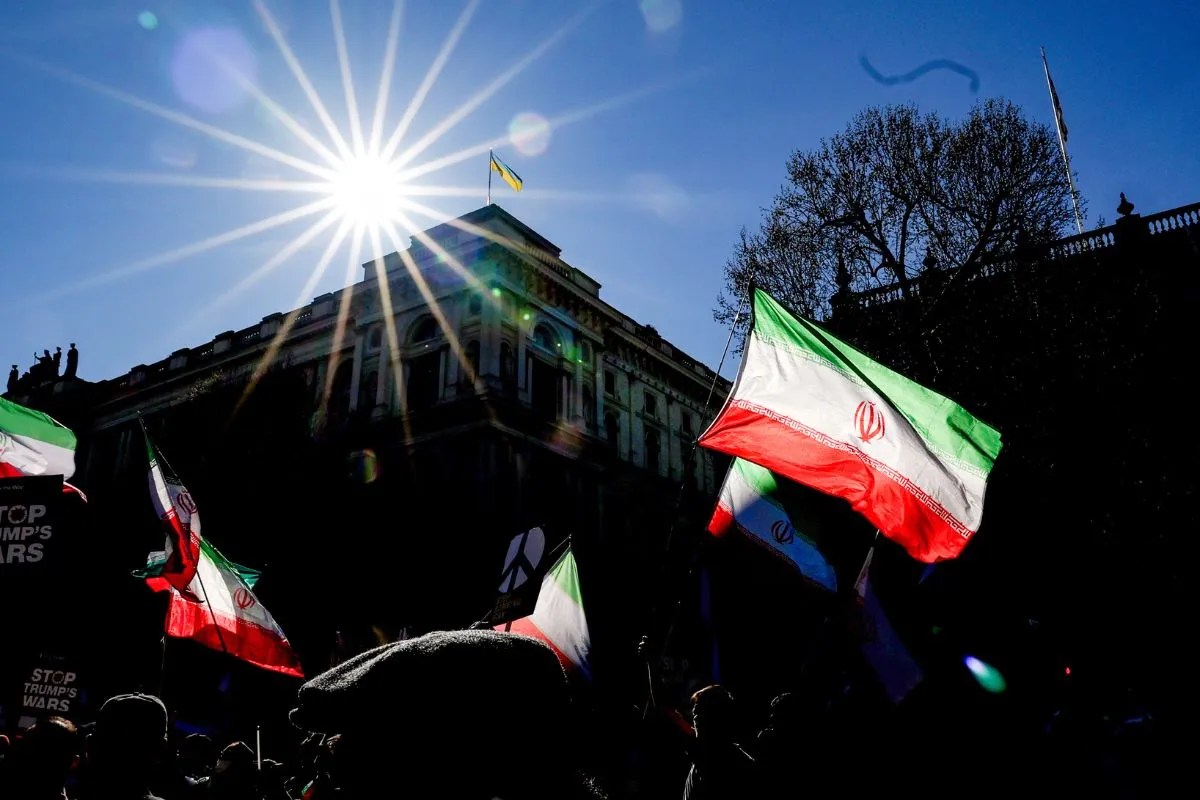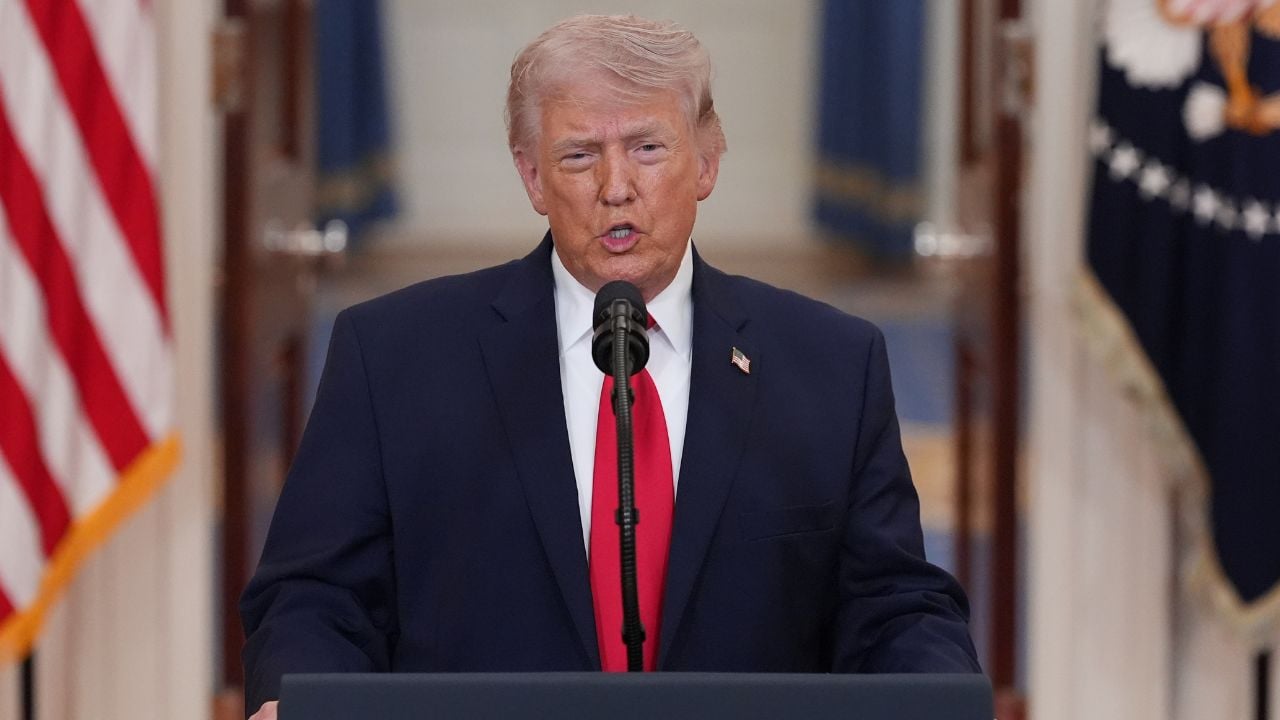
The headlines are screaming about a 48-hour countdown. They are fixated on the raw tonnage of American bombs and the terrifying speed of carrier strike groups. It is the same tired script we have seen since 1991: the belief that superior hardware and a loud ultimatum can "reset" a hostile nation. If you think a weekend of surgical strikes solves the Iran problem, you are not paying attention to the math of modern warfare.
Massive firepower is no longer a guaranteed win. It is a massive liability.
Most analysts are stuck in a Desert Storm mindset. They look at the U.S. Navy’s $13 billion supercarriers and the Air Force’s stealth bombers as invincible symbols of dominance. I have spent years tracking the erosion of this conventional edge. The reality? A $20,000 loitering munition can blind a billion-dollar radar system. A swarm of cheap, fiberglass drones can overwhelm the Aegis Combat System. We are obsessed with "strength" when we should be terrified of "asymmetry."
The Carrier Trap and the Myth of Invincibility
The competitor’s narrative suggests that moving a carrier into the Persian Gulf is a checkmate move. It isn’t. It is putting a massive, slow-moving target into a bathtub filled with sharks.
Iran does not need to win a dogfight against an F-35. They just need to make it too expensive for the U.S. to stay. Their strategy relies on "Area Denial" (A2/AD). By using thousands of fast-attack boats and mobile shore-based missiles like the Noor or Khalij Fars, they create a zone where high-value American assets are constantly at risk.
Think about the economics. An SM-6 interceptor costs roughly $4 million. The drone it shoots down costs less than a used sedan. You do not need to be a math genius to see who wins a war of attrition in that scenario. Washington loves to brag about "firepower," but firepower is useless if you are afraid to bring the platform close enough to use it.
The 48-Hour Fallacy
The "48-hour" ultimatum is a psychological tool, not a military reality. It assumes that an adversary will crumble under the threat of immediate pain. History suggests the opposite. Short, intense bombing campaigns usually do two things: they harden the domestic resolve of the target population and push the regime’s critical infrastructure further underground.
- Deep Hardening: Iran’s nuclear and command facilities, like Fordow, are buried under hundreds of feet of rock. You don’t "destroy" these in a weekend. You barely scratch the paint.
- Decentralized Command: Modern Iranian doctrine relies on a "mosaic defense." Even if you take out the central hub in Tehran, local commanders have the autonomy to launch retaliatory strikes across the Strait of Hormuz.
- The Proxy Network: While the U.S. focuses on the 48-hour window, the real war happens in the 48 weeks after. Hezbollah, the Houthis, and various militias across Iraq and Syria are the secondary batteries. They don't need a formal declaration of war to turn the global energy market into a bonfire.
Why Energy Markets Don't Care About Your Bombs
The loudest voices in the room talk about "punishing" Iran. They forget that the global economy is a fragile web. The Strait of Hormuz is the world's most important oil transit point. Roughly 20% of the world’s liquid petroleum passes through that narrow choke point.
Imagine a scenario where Iran doesn't even fire a missile at a ship. They simply mine the strait with "smart mines" that are nearly impossible to detect. Global shipping insurance premiums would skyrocket overnight. Tankers would stop moving. Crude oil doesn't just go up $10; it goes vertical.
The U.S. might have the military strength to "win" a kinetic exchange, but does it have the economic stomach to handle $200-a-barrel oil during an election cycle? The competitor article treats military power as an isolated variable. In the real world, it is tethered to a sinking anchor of global inflation and supply chain sensitivity.
The Intelligence Blind Spot
We are told that American "tech" gives us total battlefield awareness. This is arrogance disguised as expertise. Cyber warfare has leveled the playing field.
While the U.S. prepares for a kinetic strike, the counter-move is likely digital. Iran has spent a decade perfecting its cyber units (like the Mabna Institute). They aren't looking to hack the Pentagon; they are looking to shut down a power grid in a mid-sized American city or disrupt the banking settlements of a major ally. This isn't "theory." We have seen the dry runs.
The U.S. is a "glass house" in the digital age. We have more to lose from a cyber-conflict than a country that is already heavily sanctioned and partially disconnected from the global financial system.
The Strategy of the Weak
Conventional wisdom says: "The U.S. is the superpower, therefore it dictates the terms."
The contrarian truth: "The side with the least to lose dictates the risk."
Iran’s leadership understands that they cannot win a direct, symmetrical war. So they won't fight one. They will use every "gray zone" tactic in the book—deniable attacks, maritime harassment, and proxy escalations. If the U.S. launches a massive strike, it validates the regime’s narrative of "Western aggression" and eliminates any internal opposition. It is the ultimate gift to a hardline government.
If you want to actually "win" in this theater, you don't do it with a 48-hour tantrum. You do it with boring, long-term, structural containment. But containment doesn't get clicks. 48-hour ultimatums do.
Stop Asking if We Can Hit Them
The question everyone asks is: "Can the U.S. destroy Iran's military capacity?"
The answer is yes, mostly.
The question everyone should be asking is: "Can the U.S. survive the consequences of doing so?"
The answer is a lot more complicated than a headline about "shattering" an enemy.
The military-industrial complex thrives on the "48-hour" myth because it justifies the purchase of more high-end, exquisite hardware. It ignores the reality that we are entering an era of "Low-Cost, High-Impact" warfare where a swarm of drones beats a carrier, and a software bug beats a squadron of jets.
We are bringing a scalpel to a street fight. We might have the best scalpel in the world, but it doesn't matter when your opponent is swinging a rusty lead pipe and doesn't care if they get cut.
Go ahead. Watch the clock. Count the 48 hours. But don't be surprised when the "show of force" results in a decades-long headache that no amount of Tomahawk missiles can cure. Power is not about how much you can destroy; it is about how much you can control. Right now, the U.S. is mistaking destruction for control.
The debris from a 48-hour strike won't just land in Iran. It will land on every gas station in America and every stock exchange in Europe.
The "might" of America is real, but it is currently being used as a blunt instrument in a game that requires a grandmaster's finesse. If the plan is just "hit them hard and see what happens," then the plan is already a failure.
War is a business of outcomes, not optics.
Stop falling for the spectacle.