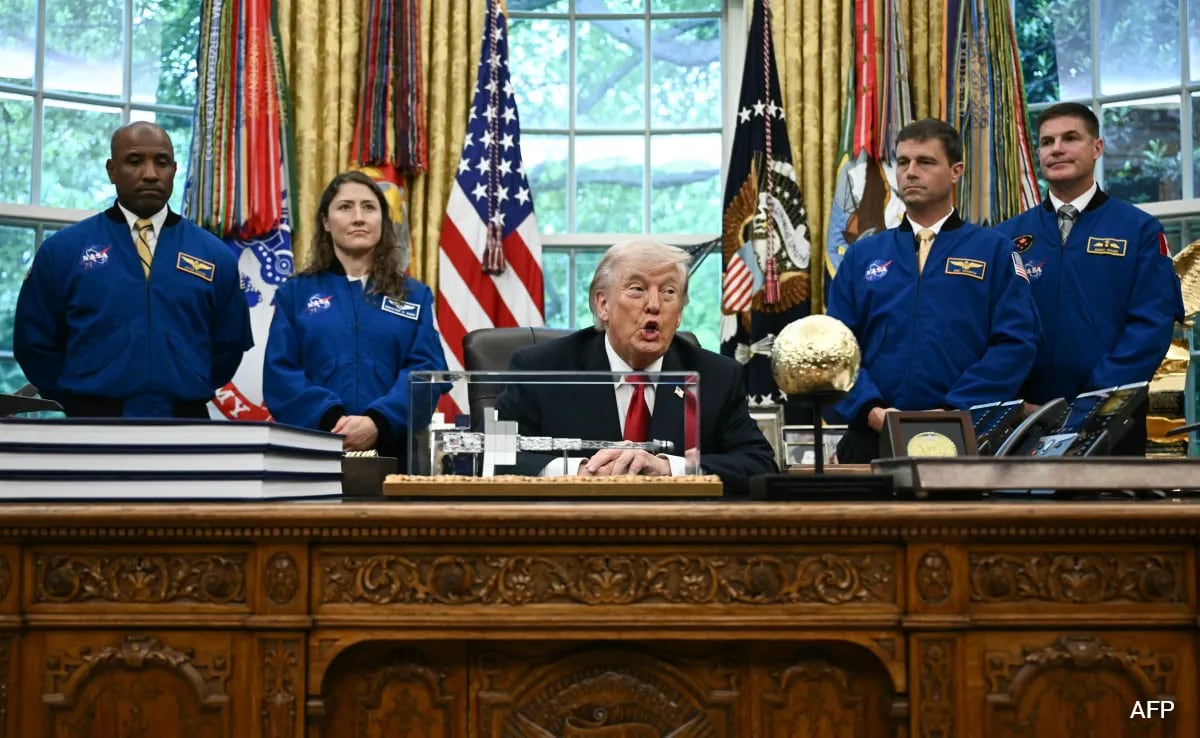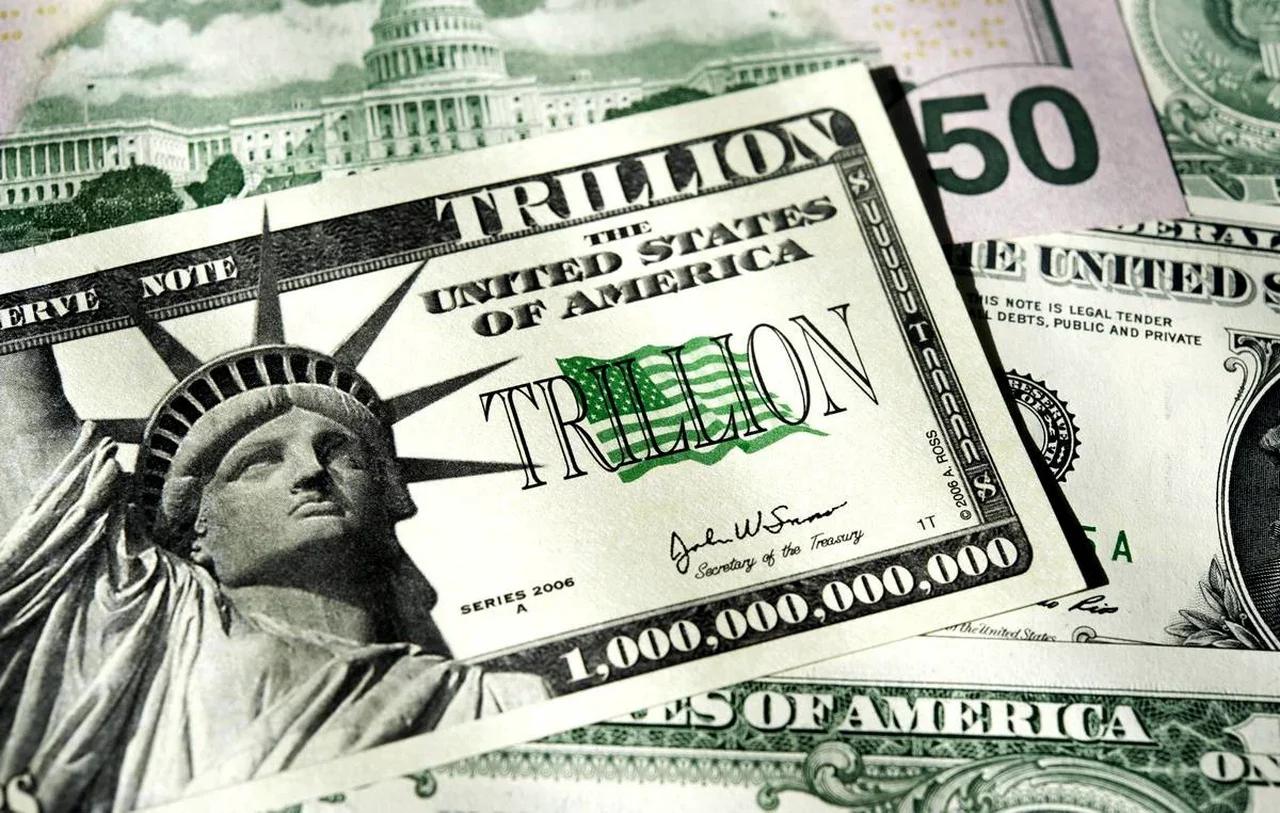
Pete Hegseth walked into the Rayburn House Office Building on Wednesday not as a media personality, but as a Secretary of Defense demanding the largest military layout in American history. He carried a $1.5 trillion budget request and a $25 billion bill for a two-month-old war in Iran that was supposed to be over by now.
The hearing was a collision between the Trump administration's "warrior culture" and the cold, hard math of a conflict that has paralyzed global shipping. For six hours, Hegseth parried questions about a strategy that appears to shift whenever a microphone is turned on. The primary takeaway was clear: the administration wants a 40% increase in defense spending to fund a war it simultaneously claims is an "astounding success" and an "existential fight" with no end date.
The $25 Billion Price of Silence
The Pentagon finally put a number on the cost of the Iran conflict—$25 billion. That figure covers two months of operations, maintenance, and the replacement of high-end munitions. However, critics like Representative Ro Khanna argue this is a sanitized accounting. It ignores the secondary economic hemorrhage.
When Iran shuttered the Strait of Hormuz, they didn't just block oil; they throttled the global economy. Gas prices in the U.S. have surged, yet Hegseth remained elusive when pressed on the total economic burden. Instead of providing a breakdown, he countered with a rhetorical question: "What would you pay to ensure Iran does not get a nuclear bomb?"
This is the central tension of the Hegseth era. The administration is treating the federal budget as a secondary concern to a mission they refuse to define in traditional military terms. We aren't just buying missiles; we are buying a "fundamental change" in the Iranian regime. That is an expensive, open-ended investment.
The Nuclear Paradox
One of the most heated exchanges occurred between Hegseth and Representative Adam Smith. It highlighted a glaring inconsistency in the administration's narrative. Hegseth claimed that Iran's nuclear facilities were "obliterated" during strikes in 2025.
If the facilities are gone, why is the U.S. currently engaged in a full-scale war to prevent an "imminent nuclear threat"?
The defense secretary's response was that Iran "had not given up their nuclear ambitions." This suggests the current war is not a preemptive strike against a weapon, but a punitive campaign against an idea. It is a distinction that costs billions of dollars and, so far, 13 American lives.
Purging the Pentagon
Beyond the dollar signs, Hegseth is fundamentally reshaping the military's internal structure. He defended his recent dismissal of top-tier leadership, including Army Chief of Staff General Randy George and Navy Admiral Lisa Franchetti.
Hegseth’s justification—"we needed new leadership"—offered no specific tactical or professional failures to justify the ousting of some of the most decorated officers in the service. He is actively dismantling what he perceives as a "woke" or "bureaucratic" upper echelon to install a command structure that prioritizes raw aggression over traditional geopolitical caution.
This internal purge is occurring while three aircraft carriers are stationed in the Middle East—the first time such a concentration of force has been seen in over two decades. The "warrior culture" Hegseth promotes is being tested in real-time, but the friction between his office and Congress suggests a growing rift in how that culture is funded.
The Strategy of No Strategy
Representative Chrissy Houlahan pressed for a timeline for the end of hostilities. Hegseth’s refusal to provide one was framed as a tactical necessity—"you would never tell your adversary"—but to lawmakers, it sounded like a blank check.
While a ceasefire has technically been in place for three weeks, the diplomatic front is a graveyard. Negotiators are trading messages through Pakistan while the U.S. maintains a naval blockade. The administration's goal is to force Iran to the table through economic and military exhaustion.
The problem with an exhaustion strategy is that it works both ways. With a $1.5 trillion budget request on the table, the U.S. is betting that its wallet is deeper than Iran’s resolve. But with gas prices climbing and the midterm elections approaching, the political capital required to sustain this "success" is vanishing faster than the munitions Hegseth is asking to replace.
The $25 billion spent so far is a down payment. If the $1.5 trillion budget passes, it will signal a permanent shift toward a war footing that the American economy hasn't seen since the height of the Cold War. Hegseth isn't just asking for money to fight a war; he’s asking for the resources to rebuild the world in the administration's image, one strike at a time.